
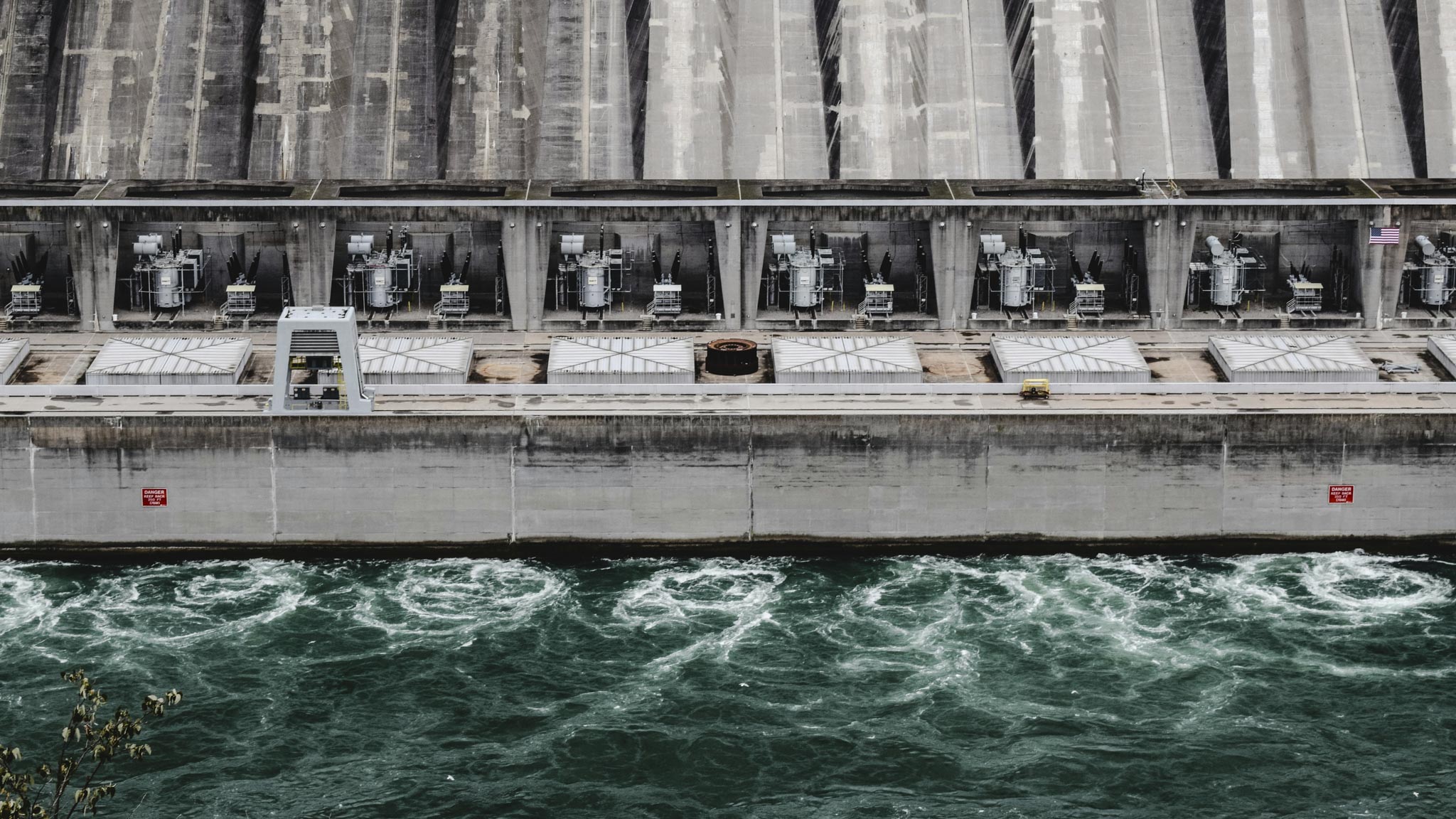
I live in a river that once ran freely. I used to follow its current to spawn, to feed, to survive. The rhythm of the flow was steady: spring floods, summer lows, autumn rains. Everything had its time.
Then the wall came.
Where the current carried me, there is now concrete. The river has been divided, still water above, erratic water below. For fish like me, that means one simple thing: the way is blocked.

Dams and hydropower plants fragment rivers.
For migratory species such as salmon, trout, and eel, this often means extinction in certain stretches. When spawning grounds lie upstream, they become unreachable. This isn’t opinion, it’s well documented. Barriers are among the leading causes of freshwater fish decline worldwide. There are less and less of us.
You might tell me: “We built a ladder just for you!”, but even where fish ladders exist, they rarely solve the problem entirely. Many fish never find these passages or fail to pass through. Each additional barrier further reduces the odds that we reach our breeding sites.
But it’s not only about blocked routes. The water itself changes.
To generate electricity, flow is controlled, often fluctuating several times a day according to energy demand. This process, known as hydropeaking, causes rapid rises and falls in water levels. Juvenile fish become trapped in shallow margins, spawning grounds dry out, and invertebrates, our food, are swept away.
And what happens when we try to make it through the turbines? Around 30% of us get simply torn apart into pieces, others remain injured. The energy you are creating is energy made from our blood.

The Facts
Hydropower’s ecological effects are not a matter of debate. They are well established in decades of scientific research around the world.
Fragmentation: Dams disrupt migration routes, isolate fish populations, and block access to spawning and feeding areas. This has been identified as one of the primary drivers of freshwater biodiversity decline by major environmental agencies.
Fish passages: Even where ladders or bypasses exist, only a limited portion of fish successfully pass through. In many systems, overall passage efficiency remains below 50%.
Turbine mortality: Studies consistently show mortality rates between 5% and more than 30% for fish passing through turbines, depending on turbine type and fish size. Smaller fish and eels are most at risk.
Hydropeaking: Sudden daily changes in flow and water level cause stranding of young fish, loss of spawning grounds, and increased stress.
Sediment trapping: Reservoirs capture gravel and sand, leaving downstream habitats starved of the material needed for spawning beds.
Temperature changes: Water released from deep reservoir layers is colder in summer and warmer in winter, disrupting egg development and seasonal behavior.
Ecosystem simplification: Rivers affected by hydropower tend to lose biodiversity and complexity, with less stable food webs and fewer native species.
There is, however, a way forward.
Removing obsolete dams, reconnecting floodplains, and restoring more natural flow patterns have been shown to revive river ecosystems. In many cases, fish populations return within one or two spawning seasons once the barriers are removed. I am only a fish. But for us, a free-flowing river is more than water.
It is connection, sustenance, reproduction, life itself.
If hydropower is to be truly sustainable, it must include the life within the water, not only the power it gives above it. Otherwise, the electricity may be green, but the river will be dead.
An Article by Carina Zettel