
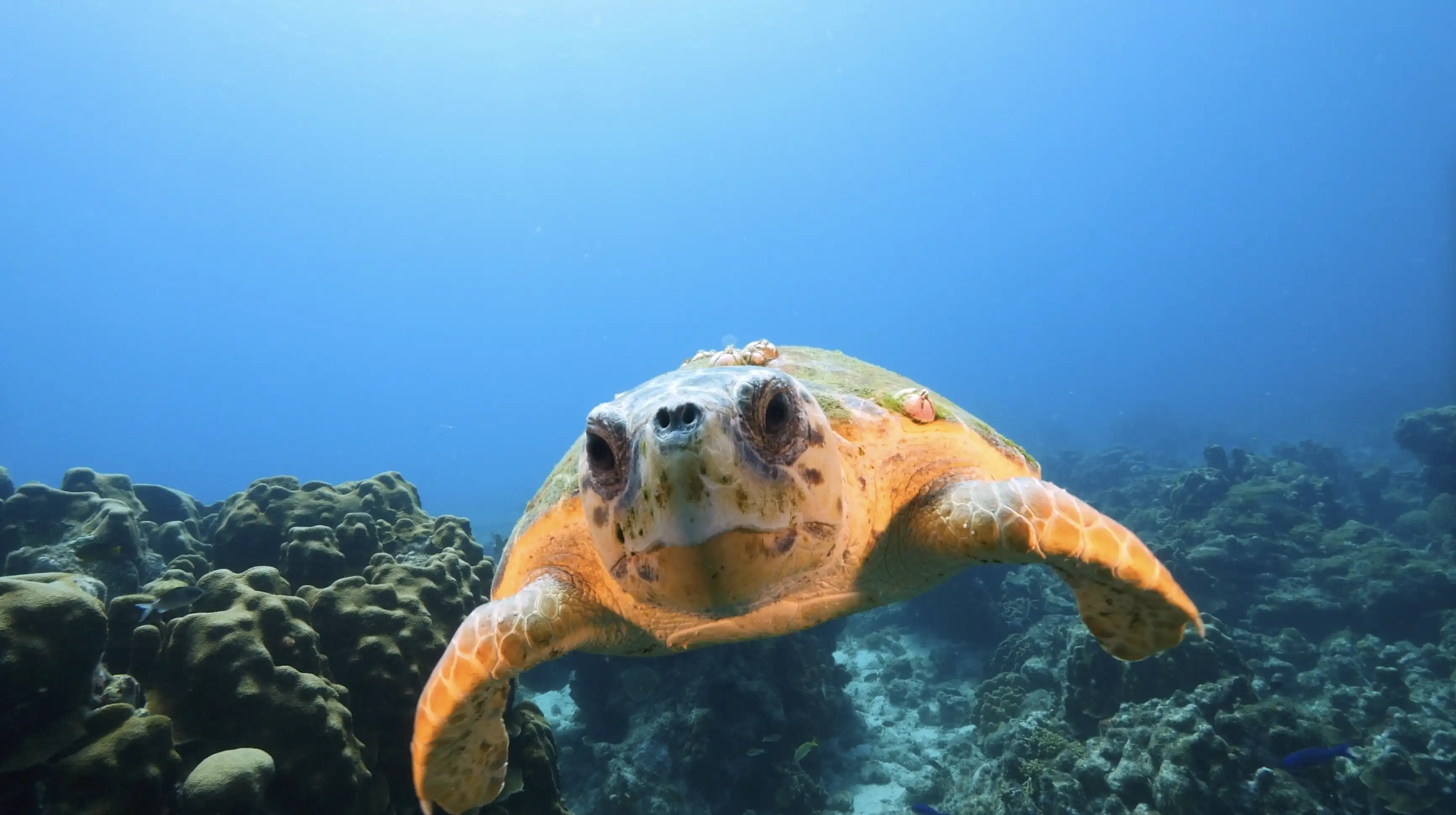
Season two of the Impact Storytelling Podcast starts with Alexa Putillo. Alexa is a marine biologist, science communicator, and PhD student in the Biological Oceanography Department at Florida State University. She studies the foraging ecology and habitat use of sea turtles along Florida’s Gulf coast. Her research integrates novel methods, including stable isotope analysis, habitat assessments, and biologging devices, to explore how different sea turtle species interact with their environments and shape the ecosystems they inhabit. A key focus of her work is understanding the ecological roles of sea turtles, such as how their foraging behavior influences habitat structure and ecosystem function in coastal areas. In this episode, we’ll dive into her journey, what sea turtles can teach us about ocean health, and why storytelling matters in science and conservation.
Synopsis :
In the realm of marine biology, understanding the health and dietary habits of sea turtles is crucial for their conservation. In this episode, we explore the innovative research methods used to study these ancient mariners, focusing on blood analysis and stable isotope techniques.
The Role of Blood Analysis:
Turtle blood, particularly plasma biochemistry, serves as a window into their health. By analyzing blood components such as cholesterol and protein levels, researchers can assess nutritional status and detect dietary patterns. This approach provides valuable insights into how different diets affect turtle health, revealing variations in blood chemistry linked to specific nutritional profiles.
Decoding Diets with Stable Isotope Analysis:
One of the most intriguing aspects of turtle research is determining their diet without direct observation. This is where stable isotope analysis comes into play. By examining the isotopic composition of turtle tissues, scientists can trace dietary sources and understand foraging behaviors. This method offers a comprehensive view of diet over time, highlighting how turtles adapt to changes in food availability and environmental conditions.
Conclusion:
Through the lens of blood analysis and stable isotope techniques, researchers are uncovering the intricate connections between turtle health, diet, and their role in marine ecosystems. These insights not only enhance our understanding of sea turtles but also inform conservation strategies to protect these vital creatures
Support the Podcast via Patreon https://patreon.com/ImpactStorytellingPodcast?utm_medium=unknown&utm_source=join_link&utm_campaign=creatorshare_creator&utm_content=copyLink
Alexa’s Instagram: ocean_alexa
Impact Storytelling Instagram: impact_storytelling_podcast
Sabine’s Instagram: sabinemprobst