
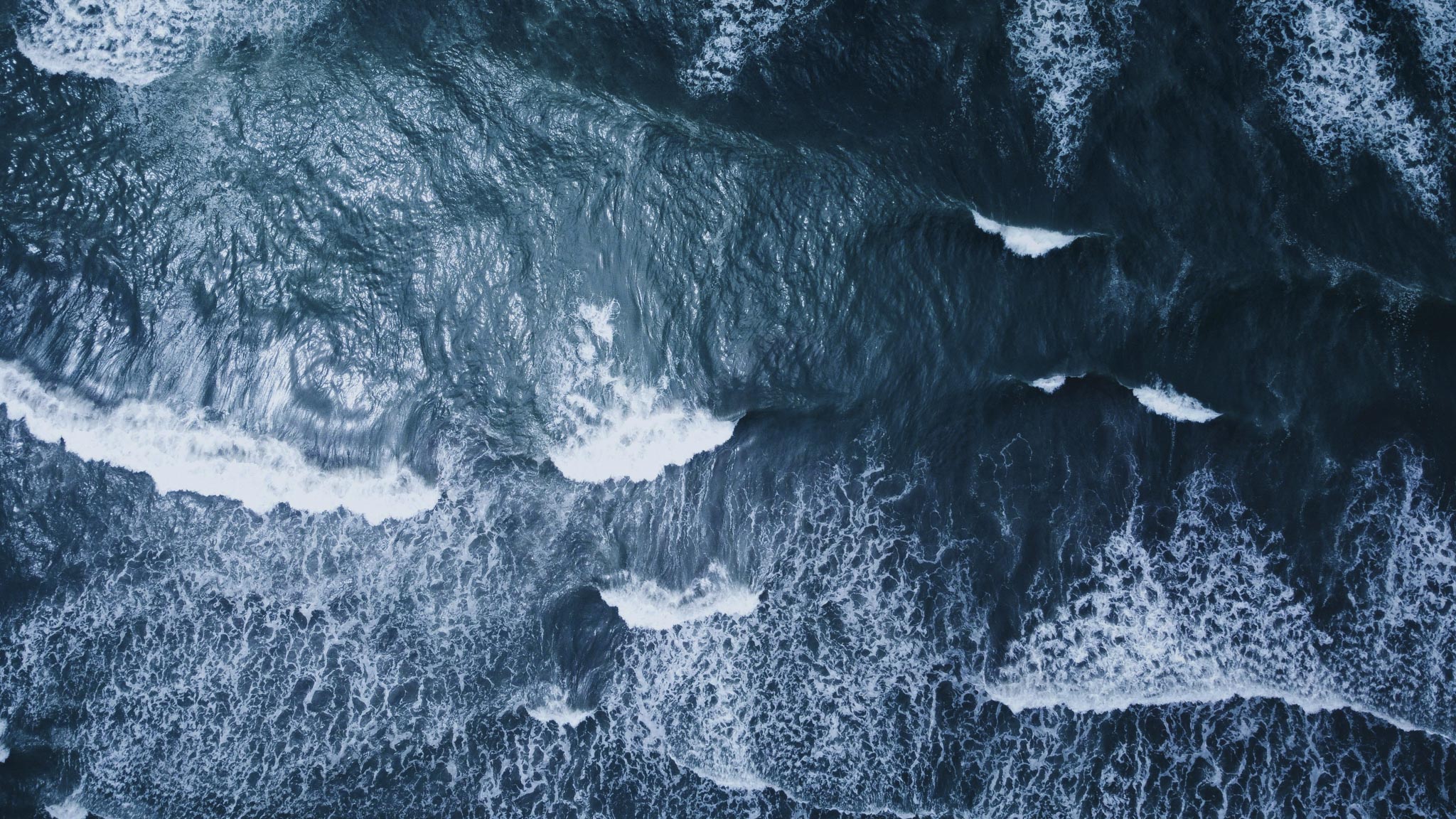
Thinking about ocean currents my mind goes to Finding Nemo, where Crush is drifting along the ocean with his fellow turtles. He was drifting with the help of an ocean current. Ocean currents are the continuous, directed movement of seawater brought about by density differences, the earth’s rotation (resulting in the Coriolis effect) and wind. Alongside Crush’s dependance on the current to conserve energy during migration – they also serve as conveyer belts that distribute nutrients, water, marine organisms and heat throughout the ocean. A few important currents distributed across the globe are named North Atlantic Drift, East Australian Current, Mozambique Current and Benguela Current. Research has shown that due to global warming these vital conveyer belts have been changing. Although it is something we do not often think about these ocean currents are important in the maintenance of earths processes such as:
1. Climate control – The ocean currents transport warm water from the equator to the poles, and cold water from the poles to the equator. This helps regulate the temperature of ocean water and keeps the temperatures balanced.
2. Marine ecosystems – Upwelling currents carry nutrients and oxygen from deep nutrient-rich water to the surface providing nutrients for many marine organisms. They also play a role in species migration and reproduction, like transporting their larvae to ensure generic diversity. As well as providing highways for species to conserve energy during migration from one side of the ocean to the other.
3. Weather patterns – The flow of wind and precipitation is largely influenced by ocean currents.
4. Carbon storage – Deep ocean currents help store and transport carbon dioxide. They therefore play a role in atmospheric carbon dioxide levels and global warming.
Effect of human activity on ocean currents:
Unfortunately, human activities are increasingly disrupting the ocean current systems. Rising global temperatures are causing the ocean to absorb more heat, thus changing the natural movement of water around the planet. The weakening of these currents is affecting the movement of nutrients, marine species, and global climate patterns. Warming water results in a strong contrast of layers of warm and cooler water, which hinders the mixture of deep nutrient-rich cool water that marine ecosystems rely on and warm surface water. Additionally global warming, which causes melting polar ice, results in a large amount of fresh water in oceans thus altering the salinity levels. Consistent water temperature and salinity is essential to maintain the density driven currents. If this is out of balance – similarly to oil and water – the changing water conditions will not mix as well as they are meant to.
Coastal development and structures like seawalls, jetties, and marinas are interrupting the ocean currents along the shoreline. This results in sea erosion and disrupts breeding and migration patterns for species that rely on them for larvae and nutrient transport.
Industrial activities result in thermal and chemical pollution. The warm discharge from power plants and factories result in warm water with low oxygen levels, creating a challenging environment for the organisms to survive. Once again, the warmer waters cause a change in the behavior of the coastal currents. The toxic chemicals facilitate in making a harsher environment along the coats with the chemicals being transported by the currents further affecting marine life.
Plastic pollution is a growing threat with large amounts of plastic waste accumulating in ocean gyres, resulting in concentrated debris and microplastics. These are systems that marine life depend on for reproduction, migration and feeding therefore interfering the marine ecosystems.
The Greater Agulhas Current system
The Greater Agulhas Current System – located 20 km from South Africa’s East Coast – consists of the Agulhas Current, the Agulhas Return Current and the Agulhas Leakage. This current system facilitates the transfer of fresh water and heat between the Southern, Atlantic and Indian Oceans. During winter months the interaction of the warm Agulhas Current and the colder coastal water creates optimal conditions for what is known as the Sardine Run. During this period thousands of sardines migrate northward along South Africa’s east coast creating an amazing display of why currents are important. During this time sharks, dolphins, whales, seabirds and seals meet to collectively feed on sardines. The Agulhas current is therefore vital in providing a source of nutrients for the marine ecosystems during this period. Harmful human activities result in a shift in the timing or a change in the size on the currents. Overtime this will impact the sardine supply if the cold-water path decreases in size, resulting in a threat to the survival and vital food supply to many species off the South African Coast.
This is just one example on why it is important for us to preserve the ocean currents and minimize our impact on ocean life. Our activities have a much greater effect on the ocean than what most of us know. Protecting ocean currents though sustainable practices, reducing greenhouse gases, pollution and strong conservation efforts is essential to preserve our marine ecosystems. By taking action and educating others on the significance of ocean currents we may protect ocean currents for future generations.
An Article by Hannah Frösler, areal photo Frank Cone,